
Spotlight: Ceyenne Doroshow of GLITS
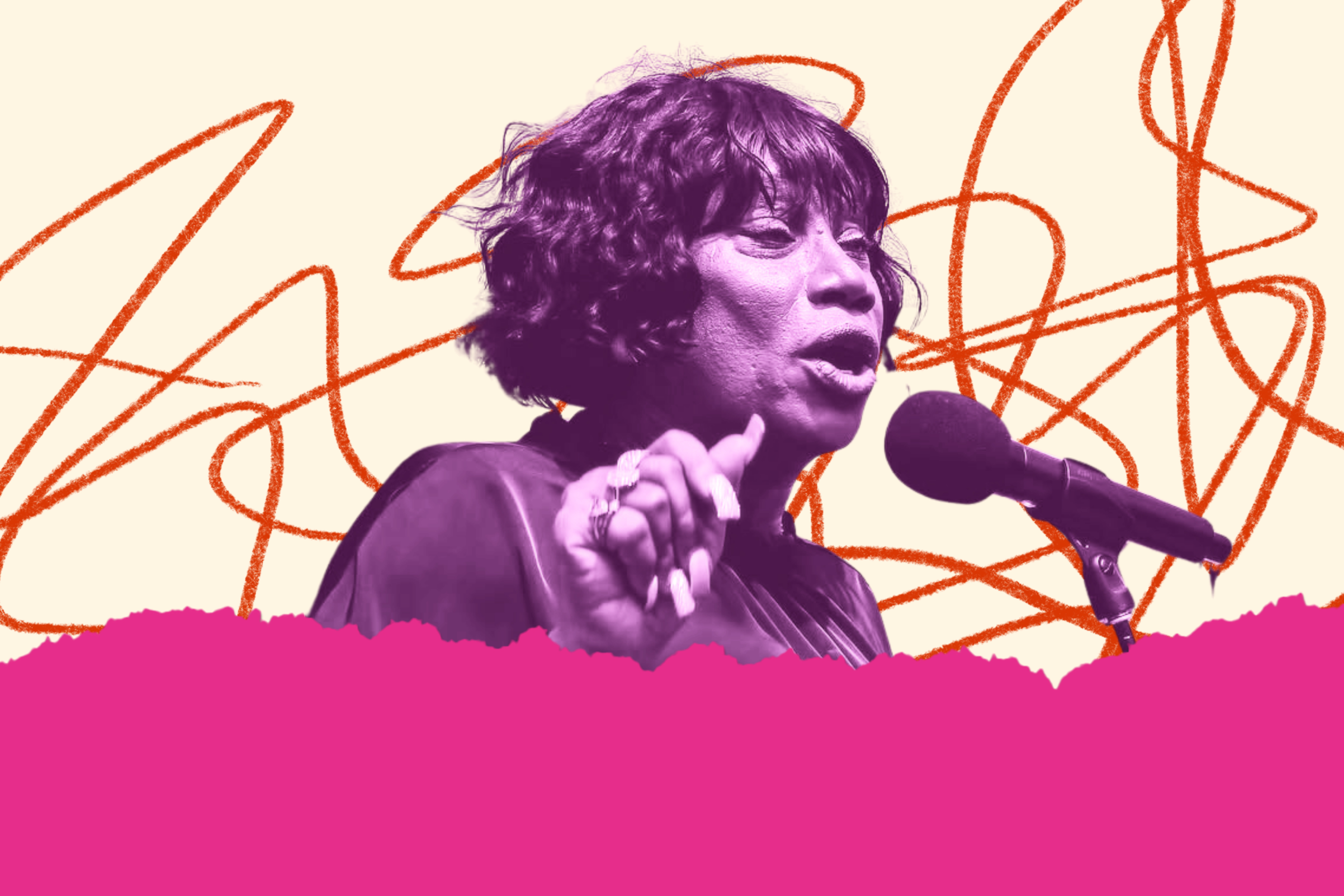
Ceyenne Doroshow is an internationally recognized activist, speaker and human rights defender. Ceyenne has decades of experience developing meaningful solutions that are grounded in the needs of the TLGBQIA+ community.
She is the founder and Executive Director of GLITS (Gays and Lesbians Living in a Transgender Society). GLITS is a Black trans-led advocacy and direct services organization. They focus on emergency relocation and housing justice, harm reduction and physical/mental health referrals, asylum assistance and end-of-life support. The GLITS Leadership Academy focuses on the long-term success and workforce development of TLGBQIA+ leaders. We spoke to Ceyenne (her name is pronounced like the pepper) in February 2026.
1) What makes you a New Yorker?
I think it’s the constant struggle to fight for others. I was born here. I don’t sleep. Being a New Yorker, we are very relaxed—too relaxed. And sometimes you have to do the impossible thing of telling somebody to do more and to do more for others.
2) What brought you to your work at GLITS?
My time working for other nonprofits. Especially being tokenized and used by them. Sometimes they stopped me from being able to help people in intentional ways. It was harmful. It was harmful working under policies that did not help people. I was told many times, “we don’t do that.” Or “After five o’clock,” you don’t care about that client. And in most cases, the 9-to-5 scenario does not work for the client. Problems happen at 6, 7, 8 or 9 o’clock. But I was told that it was above my pay grade to inquire about somebody after hours.
It made me reevaluate not-for-profits that claim they’re doing the work. How many Black trans women are in a leadership role within these not-for-profits? How many of them actually lift up their clients? There are so many job training programs with certifications. How many of these certifications actually get you a real job?
3) What’s your role at GLITS?
I’m the founder and Executive Director. I founded GLITS because of all the barriers I have experienced throughout my life. I wanted to create something that actually gave people what they need, when they need it.
There are so many programs here in New York where it’s just babysitting. You have to be motivated to be a part of GLITS. You have to want to get off the programs that are holding you in place. You have to care about your future. It’s about wanting something for yourself. I can’t want it for you. How do you see yourself going from a client to a case manager to a founder and executive director? I am intentional that this is a place to grow so you can give back in return.
4) Can you tell our readers more about what GLITS does? How do you build leadership?
We put people first, we really put people first with an intentionality of growth.
One of the things I get called for most is help with rent. In that situation, you want to ask somebody, “What’s your plan?” Because if you can’t hold it together for one month now, what is the plan for the next month? And people often don’t want to answer that question. There are other agencies for people that don’t want to answer that question.
I’m asking for a long-term plan. Without a plan you can’t succeed. I’m trying to take on people who want to be leaders. People that want to pay it forward and see the need to do this work. That’s why we’re doing this work. To create better leaders and capacity for the future of our community.
We have a building. It’s beautiful. The door is purple and the fire escape is “hot lips” pink. Every apartment has a chandelier and the ceiling is 14 karat gold.
The idea for people to achieve their best while they are here and move on. There’s also the potential to stay. Way too often our community had to raise funds to relocate every year or two, which is a money pit. And landlords are allowed to discriminate now. GLITS programs are designed for stabilization.
5) Gosh, you work with people in so many different contexts. Can you tell us more about work you do that might be less visible from the outside?
One of our other areas of work is end-of-life support. We deal with funeral homes and families and deaths. I am the negotiator with the families, with the funeral homes, mainly to bury someone in their preferred gender. How do I sway the family to do what I need done for the client?
For one community member who was sick, we moved her partner into the housing so they could be together before she passed. When it got to the end for one of our other community members, his family were all there. His sister said, “What you’ve done for my brother has helped this process be light.” I have some of his ashes. I gave him the best going-home celebration that you could give somebody. It was fabulous.
And right now we’re hearing from the women at Bedford (New York’s biggest prison for women) because of the deaths there – three in a month. Conditions there are horrible, something needs to change. We’re connecting with other groups about how we can support the women there. It’s just unacceptable.
6) In the moment we’re in, there’s so much violence. Things coming at us from every direction. How would you describe the top priority for GLITS?
Survival. People are underfunded and operating over-capacity. They are worried, but trying to put on a strong face. Because there is no counseling, no therapy. It’s a boiling pot, waiting to spill over. Or a cup that’s too full.
I love my staff and my staff have been with me for a long time. They know me enough to point in the right direction. Sometimes they say, “This is not good for us.” And that helps. It helps a lot. But not everybody has staffing like that. Not everybody has support like that. There are days when we are not doing well. When we’re about to curse each other out. And it’s because there is so much on my plate.
Most of our phone calls are coming from leaders that don’t have capacity. Either capacity to pay their bills or the mental health capacity. With the client I know how to handle it. I know how to get the necessary help. How to address it appropriately. Not so much on the leadership side.
I have been brought into scenarios that make me wonder how we address harms that are happening within movements. And sometimes caused by the leaders of movements. How do we help the people who are in harm’s way? How do we prevent trauma spilling over into work with the clients? How do we equip leaders? Do we need more capacity building? More training? More healing?
7) What types of support/giving would have the most impact on GLITS in this moment?
General operating support and long-term volunteers. Volunteers really help. They help with events, making donation bags. They help at Pride. The things we do for the community—it’s overwhelming to do these things with my limited staff. Also, having a team of volunteers means we have extra eyes to make sure that everybody’s safe.
When I go into universities or colleges, students go back to their parents and we get a lot of donations from parents that have never seen their kids ignited by advocacy and activism. I’ve had parents actually call. I had a father call, crying. Me being in a class and talking to his kids lit a fire in both of them. Not only did they become activated, but they both came out to him. He said, “I think you saved my children’s lives. They were both miserable and wouldn’t even talk to me.” I wept hearing this man break down on the phone.
I’m always here for the stories about how deeply connected we are to each other and all the ways we can support each other. Thanks for talking to us today!
Ceyenne’s powerful stories reflect her approach to this work. She’s grounded in caring relationships—even when navigating very challenging situations. She’s a powerhouse at building community in all its messiness. From family acceptance, interpersonal harm and end-of-life planning, she doesn’t back off. Learn more about GLITS at their website and consider joining them at one of their events.